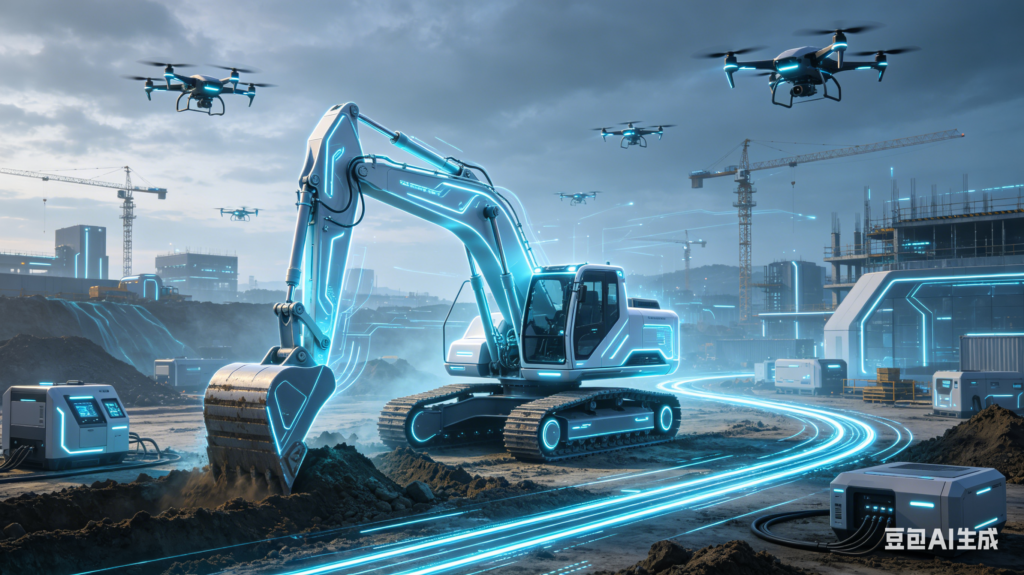
Excavators: The Legendary Journey from Inception to Dominance in the Construction Industry
The Birth Background of the Mechanical Behemoth
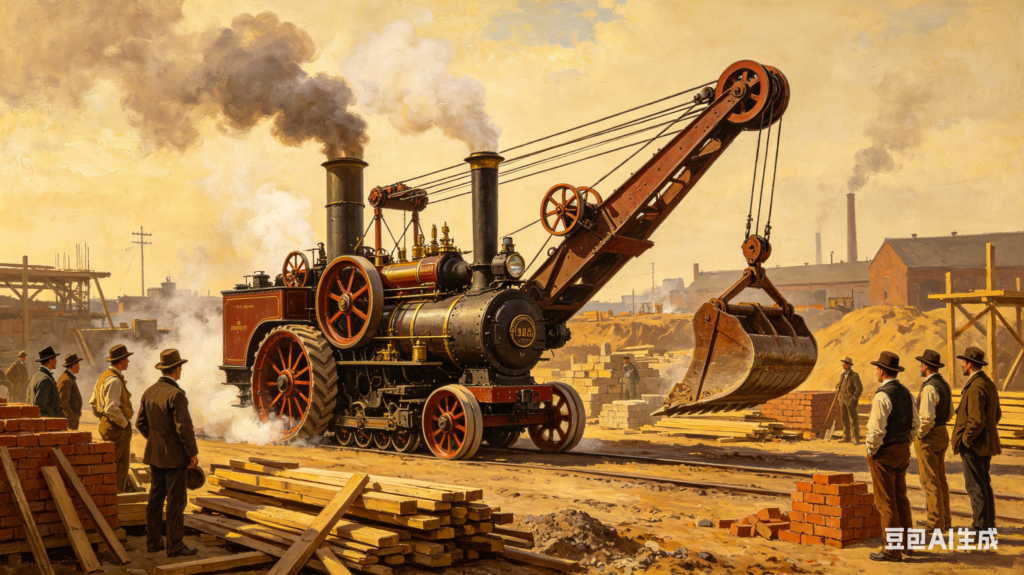
In the 19th century, with the vigorous development of the Industrial Revolution, humanity’s demand for infrastructure construction skyrocketed. Traditional manual excavation methods were inefficient and struggled to meet the needs of large – scale engineering projects. In 1837, American Otis Fairbanks invented the first steam – powered excavator. Its emergence marked the transition of excavation operations from the manual era to the mechanized age. This steam excavator, resembling a steel behemoth, was powered by steam and drove the bucket through a series of complex mechanical devices. It could complete far more work than manual excavation, bringing great convenience to large – scale projects such as railway construction and mine exploitation at that time.
Exploration and Innovation in the Early Development
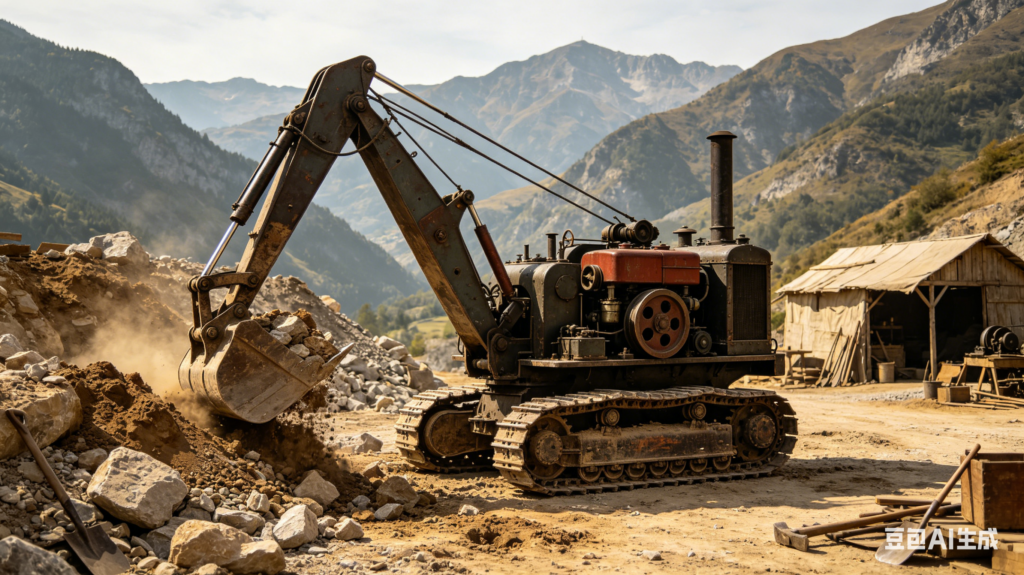
Early excavators were relatively simple in structure and not very flexible to operate due to technological limitations. However, engineers never ceased their exploration. From the late 19th century to the early 20th century, the internal combustion engine technology gradually matured, bringing new opportunities for the development of excavators. Excavators powered by internal combustion engines began to emerge. Compared with steam – powered ones, those driven by internal combustion engines were more compact, more mobile, and could operate in a wider range of terrains and environments.
Leap Forward Driven by Wars
The two World Wars had a profound impact on the development of excavators. During the wars, the huge demand for military engineering construction, such as fortification building, airport construction, and road repair, led to a significant improvement in the performance and production volume of excavators. Military – industrial enterprises invested a large amount of resources in improving excavators, enabling them to adapt to harsh battlefield environments and possess higher reliability and operational efficiency.
For example, during World War II, to meet the needs of quickly building defensive works and clearing the battlefield, the digging depth, digging force, and operating speed of excavators were significantly increased. These technological improvements were applied to the civilian engineering field after the war, further promoting the popularization and development of excavator technology. After the war ended, excavators rapidly shifted from military use to civilian infrastructure construction and became an important force in post – war reconstruction and economic development.

Diversification and Intelligence of Modern Excavators
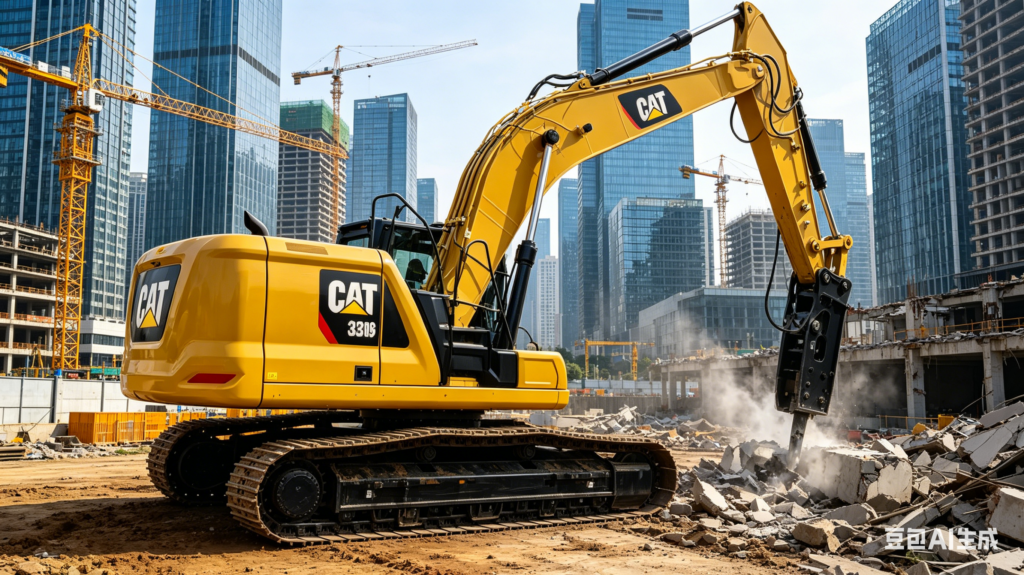
In modern times, the development of excavators shows a trend of diversification and intelligence. In terms of functions, in addition to traditional earthwork excavation, a variety of special – purpose excavators have emerged, such as breaker excavators for demolition work, long – arm excavators for underwater excavation, and mini – excavators for operation in narrow spaces, meeting the needs of different industries and scenarios.
In terms of intelligence, with the rapid development of electronic technology, sensor technology, and computer technology, excavators are equipped with more and more intelligent systems. For example, an intelligent control system can monitor the working status, fuel consumption, fault diagnosis, and other information of the excavator in real – time and feedback it to the operator, helping them operate more scientifically. The automatic leveling system can make the excavation operation more accurate and reduce manual errors. Some high – end excavators even have remote monitoring and remote – control functions. Operators can complete excavation tasks through remote control from a safe area away from danger, greatly improving operational safety.
Future Outlook
Looking to the future, excavators will develop in the direction of greater energy conservation, environmental friendliness, intelligence, and humanization. With the global emphasis on environmental protection, new energy products such as electric excavators and hybrid excavators will gradually become the mainstream, reducing reliance on traditional fossil fuels and lowering exhaust emissions. The degree of intelligence will be further enhanced. Through the Internet of Things, big data, and artificial intelligence technologies, autonomous operation, intelligent scheduling, and predictive maintenance of excavators can be achieved, further improving production efficiency and reducing operating costs.
At the same time, designers will also pay more attention to the operator’s working experience, optimize the ergonomic design of the cab, and reduce fatigue during long – term operation. In this way, excavators will not only be efficient engineering tools but also comfortable and safe workplaces.
From the staggering start of steam power to the intelligent and diversified star of construction machinery today, the development of excavators witnesses the great combination of human wisdom and technological progress. It plays an indispensable role in many fields such as infrastructure construction and resource development and will continue to contribute to the development of human society with an innovative attitude.